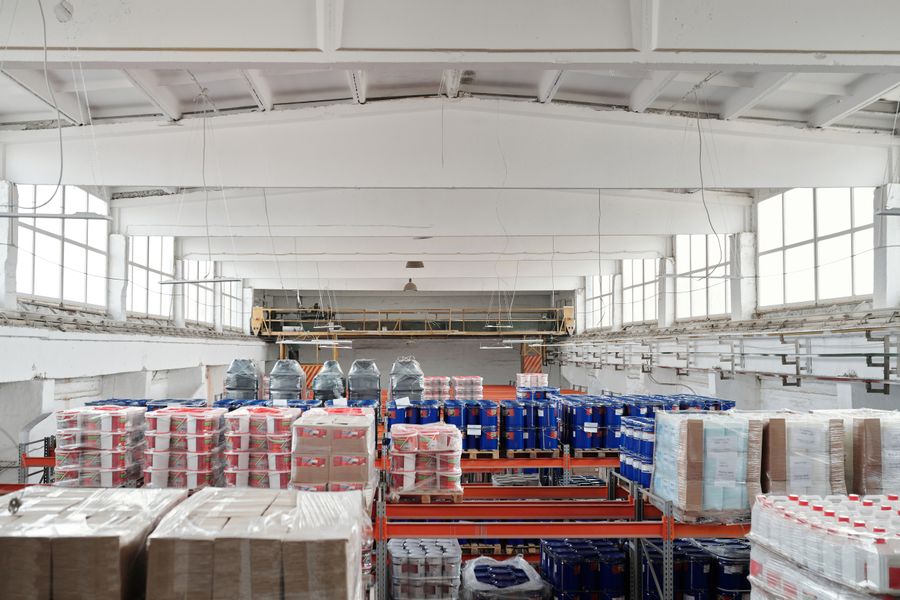
Let's be honest: this is how stores work today
If you run a store, this will sound familiar. Orders live in a spreadsheet only one person understands. The back room has a notebook full of crossings-out. When something runs out, someone posts in the WhatsApp group… and the message gets lost between birthday photos.
And it all works. Sort of. Until the person who "knows everything" takes a Saturday off and nobody can find the milk that arrived on Thursday.
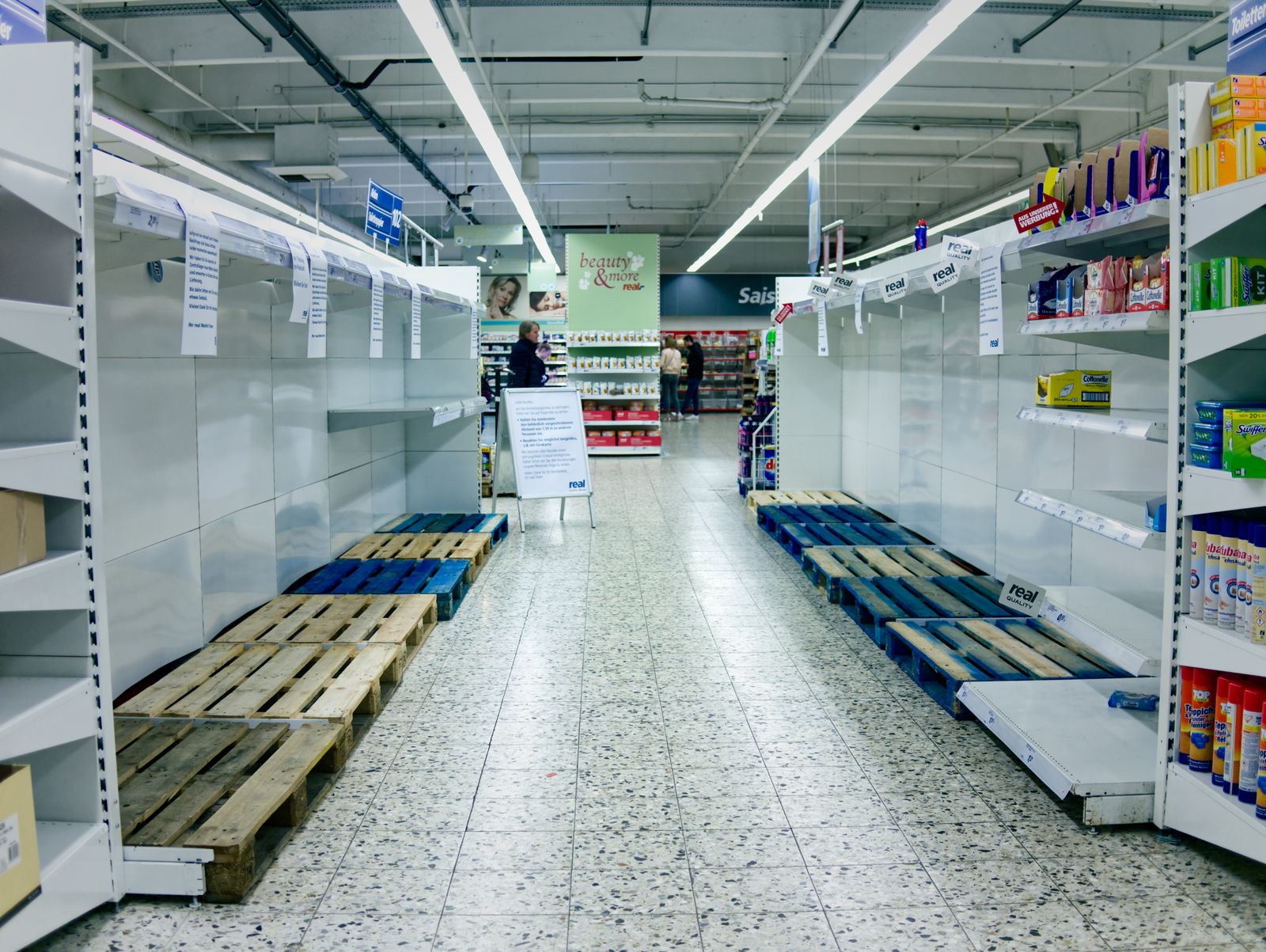
The numbers don't lie
It's not just a feeling. Industry studies have been saying the same thing for years: most shelf gaps are created inside the store, not on the truck.
8.3%
of products are missing from the shelf at any given time, worldwide average
FMI, GMA and CIES (2002)
47%
of those stockouts come from ordering late or badly in the store
FMI, GMA and CIES (2002)
31%
of shoppers who can't find something go to another store
FMI, GMA and CIES (2002)
Why we built Pla Logistic
We wanted something very specific: your store's stock shouldn't depend on the right person being on shift. Not another office program with twenty menus, but an app the team opens on their phone while restocking, receiving an order or counting what's left in the cold room.
The logistics of the future isn't about robots or giant screens. It's about everyone knowing what to do, where the product is and how much is left, without asking anyone.
A store's stock shouldn't depend on who's on shift.
Just another day with Pla Logistic
To give you an idea, here's what a normal Tuesday looks like in a shop that uses Pla Logistic. No science fiction: all of this already works today.
- 07:30
The Lácteos del Norte truck arrives. Pla Logistic creates the "Receive order" task and assigns it to Marta, who handles deliveries in the morning. The alert hits her phone before the driver has lowered the ramp.
- 08:10
Marta scans box by box. Two boxes of yoghurts are missing. The app flags it straight away and creates a recount task for later, in case they were on another pallet. The delivery note is no longer a folded sheet in a pocket.
- 10:45
The 1.5 litre water drops below its minimum on the shelf. There's plenty of stock in the back room, so Pla Logistic creates the restock task and sends it to Javi. Nobody had to notice the gap.
- 13:00
Elena, the manager, checks the home dashboard from the office. She sees at a glance how her shops are doing, which tasks are still open and whether anything needs attention.
- 17:30
Time to prepare tomorrow's order. Order suggestions tell her which active products are running low and how much to order, instead of walking the back room with a notebook.
- 21:00
Closing time. Everything that happened today is on record: who received what, who restocked what and when. Tomorrow nobody will have to ask "who did this?".
Before and after
Today
- An orders spreadsheet only one person understands
- Notebooks in the back room and WhatsApp messages
- Nobody knows if Thursday's order was counted
- Gaps are found when a customer asks
With Pla Logistic
- Stock per zone, on the whole team's phones
- Every change shows up instantly on every screen
- Receiving an order is a task with someone's name on it
- When something drops below its minimum, the task creates itself
Who is Pla Logistic for?
We designed it with real supermarkets in mind, not multinationals with an IT department. If you recognise yourself in any of these, it's made for you:
- Neighbourhood supermarkets that want to leave Excel and the notebook behind without any fuss
- Regional chains with several shops that need to see all their locations in one place
- Franchises where each shop works its own way, but the owner wants everything under control
- Shops with their own back room or cold room, where knowing what's where makes all the difference
What this first version includes
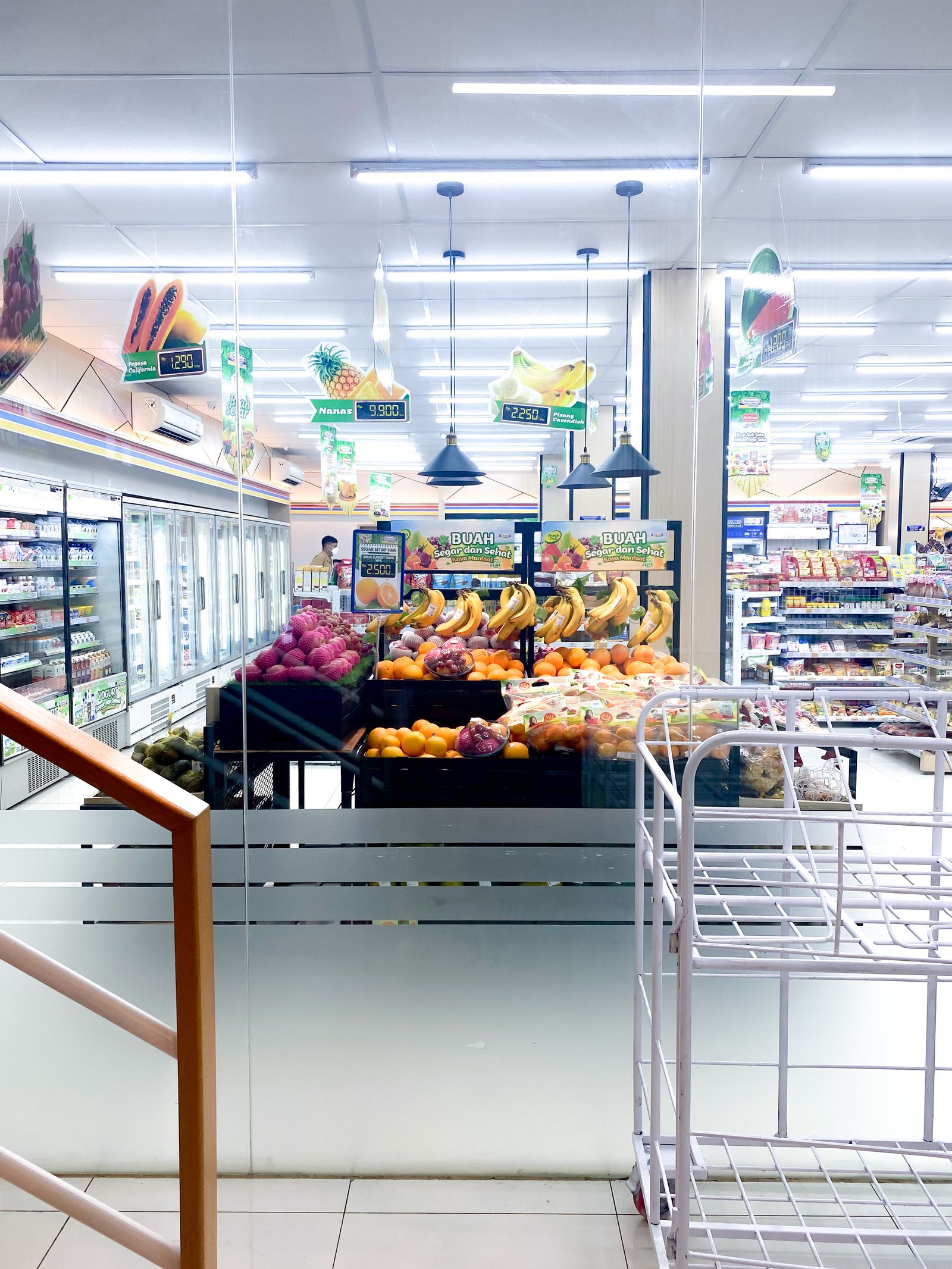
This first version covers a store's full day, from the moment the supplier unloads until the product is neatly in front of the customer:
- Pla Base: your organization, your locations, the zones in each one and the team with their roles
- Products: catalog with barcodes, categories, stock per zone, minimums and maximums
- Orders: supplier orders, suggestions of what to order and receiving by counting what arrives
- Tasks: incidents and automatic receive, restock and recount tasks, assigned to the right person
- Alerts: low stock warnings and notifications about everything happening in your stores
What Pla Logistic is not
What it doesn't try to do matters as much as what it does. We'd rather do one thing really well than twenty things so-so:
- It's not a cash register: your sales keep going through your usual till system
- It's not accounting software: you won't be doing your invoices here
- It doesn't need special devices: it works on the phone, tablet or computer you already have
- It doesn't tie you to anyone: your suppliers stay your suppliers
Up and running in a day (really)
Create your organization and add your first location with its zones. Then import your catalog from the spreadsheet you already have: Pla Logistic fills in each column from its title and saves nothing until you confirm.
Invite your team, each with their role, and you're done. From then on the app works with you: when a product drops below its minimum or an order arrives, it creates the task and assigns it to the right person.
And this is just the beginning
We ship improvements every week based on what the stores already using Pla Logistic tell us. You'll see them here, in What's new. If something's missing, tell us: we're probably already thinking about it.
Questions we get a lot
Do I have to buy any equipment?
No. Pla Logistic works in the browser on your computer, phone and tablet. To scan barcodes it uses the device's own camera.
Can I bring my catalogue over from another program?
Yes. Export it to Excel from your current program and import it into Pla Logistic. The app fills in each column from its title, you review it, and nothing is saved until you confirm.
I have several shops. Can I see them all together?
Yes. Each shop is a location with its own stock, zones and team, and from the home dashboard you see a summary of all of them at once.
How long does it take to get started?
A day is typical: create the organization, add your first shop with its zones, import the catalogue and invite the team. The rest gets filled in as you go.
What if my team isn't very techy?
That's exactly why each person only sees what they need for their role. An operator opens the app and sees their tasks for the day, with no menus or reports to confuse them.
The logistics of the future, without waiting for the future
For years we've been told the logistics of the future would arrive with robots, sensors on every shelf and screens everywhere. Maybe one day. Meanwhile, what really changes the day-to-day in a shop is much simpler: everyone knowing what to do, where each product is and how much is left.
That's what Pla Logistic does. No building work, no new devices and no week-long training courses. Install it today and tomorrow your team already works differently.